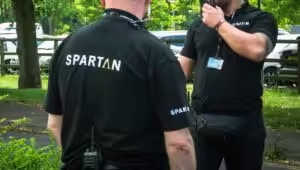
Security for events starts with understanding the occasion and the people responsible for it. A cultural programme, private celebration and corporate reception can need different arrangements. These seven planning checks help organisers define a clear, proportionate service.
On this page

A London cultural venue announcement
In the original announcement behind this article, Spartan welcomed The Hellenic Centre in Marylebone, Central London. The Centre’s cultural programme includes lectures, exhibitions, concerts, social events and Greek language courses, connecting audiences with Hellenic culture.
That announcement illustrates the variety of activities an event venue can host. The guidance below concerns general event planning. It does not describe private arrangements at the Centre or imply that every event uses the same staffing or procedures.
Spartan provides executive event security for agreed requirements. The useful starting point is a conversation with the organiser about the event format, the venue and the duties that need to be covered.
1. Define security for events around the format
Explain what will happen, who is expected and how the programme is organised. An invitation-only reception differs from a public performance or an exhibition with visitors arriving throughout the day. Each format creates different demands on communication and the agreed security role.
Include the planned guest numbers, operating hours and any activity before or after the public programme. Suppliers, performers and production staff may be present at different times. These details help the provider assess the work rather than relying on the event’s title alone.
Security for events should support the occasion and the people attending. Discuss the intended style of service and any particular concerns. A clear brief makes it easier to agree a proportionate arrangement without assuming that every event needs the same visible presence.
2. Establish the venue and organiser responsibilities
Identify what the venue already provides and what the organiser is responsible for arranging. Reception, building management, guest registration, stewarding and security can involve different teams. Confirm how their roles connect so that an important task is not overlooked or duplicated.
Ask who has authority to approve changes during the event. The organiser may control the programme while the venue controls its premises and procedures. Personnel need to understand the relevant contacts and how a question will be resolved if instructions conflict.
Security for events works best alongside the venue’s established arrangements. Share the information necessary for coordination and discuss any additional requirement before the event day. Do not assume that booking an external provider transfers every organiser or venue responsibility to that team.
3. Agree the guest-facing role
Clarify how invitations, bookings or guest lists will be handled and who can resolve a discrepancy. Security personnel may support access under the agreed brief, while a host or registration team remains responsible for guest information and hospitality decisions.
Discuss the tone of communication and presentation. A formal reception may have a particular dress code, while another setting may need a more visible uniform. The choice should reflect the duties and environment as well as the organiser’s preferences.
Security for events should account for visitors who need additional assistance or time. Explain the venue’s accessible arrangements and how staff can obtain help. A calm, respectful approach to guest questions contributes to an event that is easier for everyone to navigate.
4. Coordinate communication and security for events
Prepare a current contact list for the people who need it. Identify the organiser, venue representative, security contact and other relevant roles. Keep private contact information restricted to authorised recipients and remove outdated versions from the working brief.
Agree how routine updates and urgent concerns are communicated. The process should be simple enough for the team to use while carrying out their duties. Avoid relying on several informal channels with no clear owner of the final instruction.
Brief the relevant personnel before guests arrive. Cover the agreed duties, important timings, communication arrangements and the route for escalating concerns. Security for events requires the team on the day to understand the actual programme, including changes made since the initial enquiry.
5. Plan the whole event period
The security requirement may begin before the first guest arrives and continue after the advertised finish. Consider setup, supplier access, the main programme, guest departures and the final handover. Confirm which parts are included in the proposed service.
Explain any expected movement between rooms or locations. A change of venue or a separate reception may affect staffing, transport and coordination. Raise these details early rather than assuming that the original arrangement automatically follows every addition to the programme.
Security for events also needs a process for delays. Agree who can authorise additional time and how the provider will confirm availability and any cost implications. An event that runs late should trigger a clear conversation rather than an uncertain assumption about continued cover.
6. Check personnel and specialist requirements
Describe the activities accurately so the provider can propose appropriate personnel. Licensing requirements follow the work and circumstances. The SIA guidance on when a licence is needed explains the relevant categories and exceptions.
Where licensable security duties are involved, verify the relevant individual licence through the official SIA register. Do not assume that all event workers carry out the same role or that a general reference to training confirms a current licence.
If a guest needs personal protection, discuss that separately from the venue-wide assignment. Close and executive protection may be relevant, but the responsibilities and coordination should be explicit. Security for events should not leave specialist duties hidden inside a broad description.
7. Agree the closing handover and review
Identify when the assignment finishes and who receives the handover. The last guest leaving does not necessarily complete every agreed duty. There may still be suppliers on site, unresolved issues or a venue representative who needs a factual update.
Discuss incident reporting and the handling of any records in advance. Reports should distinguish observations from assumptions and reach the authorised people under the agreed procedures. Avoid circulating personal information more widely than the purpose requires.
A short review can improve future security for events. Consider whether the brief reflected the actual programme, whether communication worked and whether staffing matched the agreed duties. Record practical changes for the next occasion without disclosing sensitive operational or guest information.
Questions organisers often ask
Can the service cover a private celebration?
Private parties, weddings and milestone events can be discussed against their particular requirements. Explain the venue, guest arrangements, timings and style of support. A smaller guest list does not by itself determine the right staffing or make the planning questions unnecessary.
What if the venue already has security?
Tell the provider what is already in place. Additional support may be unnecessary, or there may be a distinct duty that needs coverage. The decision should follow a discussion of responsibilities rather than an assumption that two teams will automatically understand each other’s role.
How is the price established?
The proposal depends on the dates, duration, duties, staffing and any specialist requirements. Ask what is included and how changes are handled. Review the relevant booking terms privately before confirmation, including any additional hours or other charges that could affect the event.
Can an organiser request a particular presentation?
Yes, presentation can be discussed as part of the brief. Explain the occasion and preferred dress code, then confirm what is appropriate for the proposed duties. The agreed service should balance the event’s style with a clear, workable security role.
Arrange security for events with Spartan
Use Request Security with the event type, venue, preferred dates, timings and an authorised contact. Spartan can review the requirement, discuss availability and explain the proposed arrangements before a booking is confirmed.
Clear security for events begins with clear responsibilities. When the organiser, venue and provider share an accurate brief, they can coordinate the service around the occasion and make informed decisions as the programme develops.