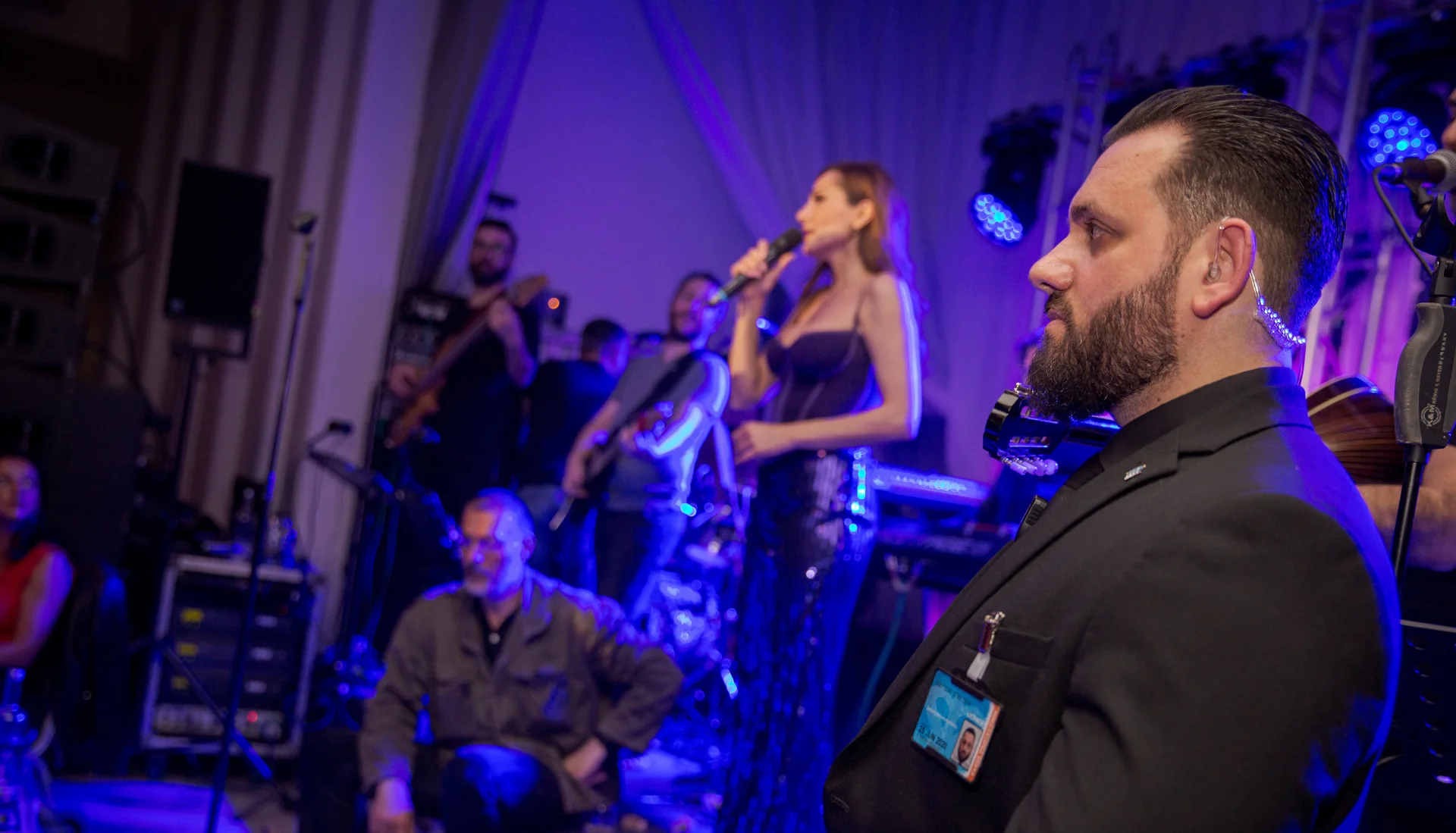
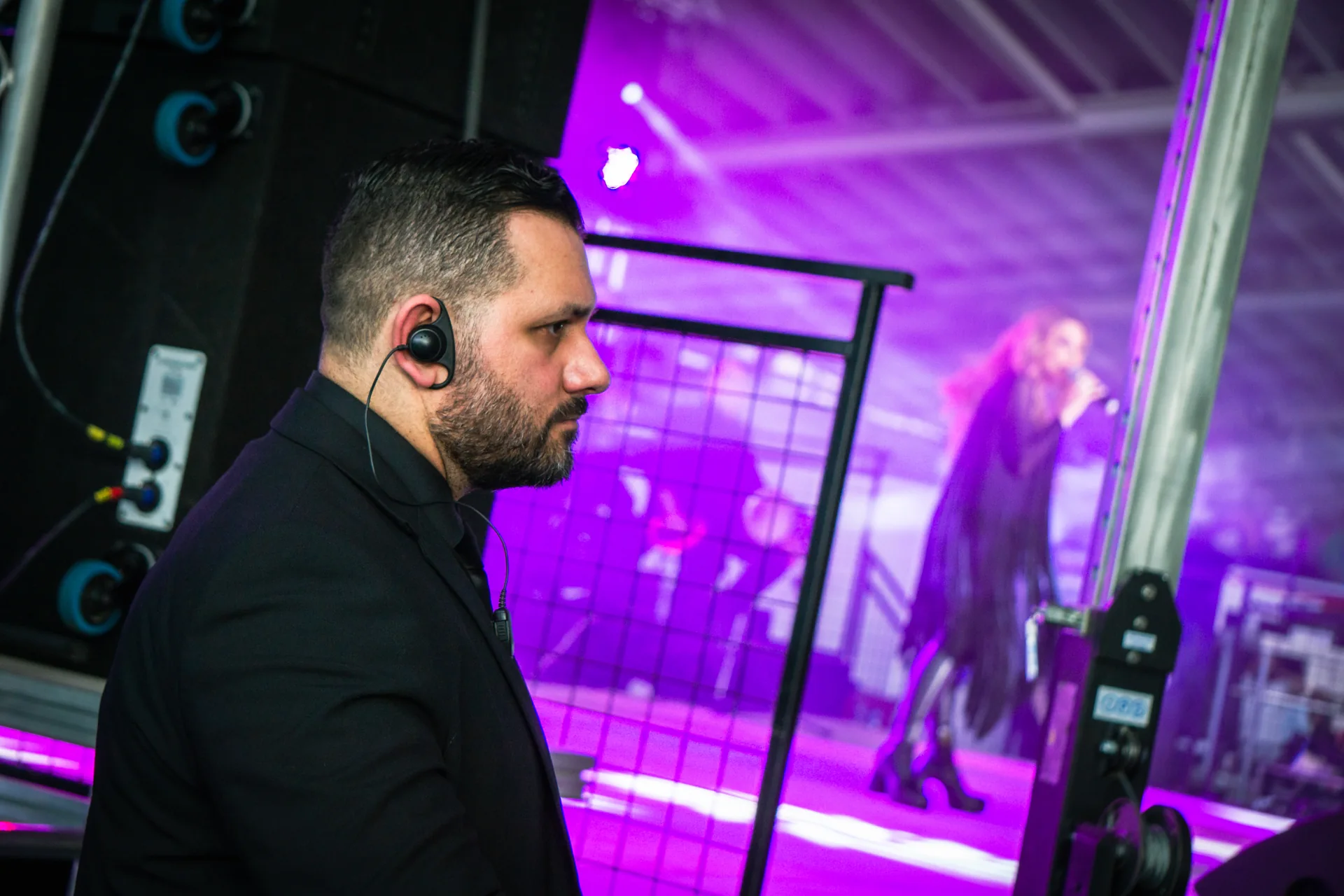
Who is talent protection designed for?
It supports actors, musicians, performers, athletes, presenters, creators and other public-facing professionals whose work or profile creates security, privacy or crowd-management concerns.
Can protection continue across productions, rehearsals and performances?
Yes. Coverage can follow the working schedule across studios, sets, venues, hotels, transport and public appearances, with the operating style adjusted to each environment.
Can the team work directly with an agent or production manager?
Yes. Spartan can coordinate with authorised representatives, management teams, assistants, production personnel and venue contacts while keeping the principal’s safety and privacy central.
Is protection available for one engagement as well as longer schedules?
Yes. Assignments may support a single appearance, a production period, a tour, multi-day travel or an ongoing professional schedule.
What should a talent protection brief include?
Start with the person or people requiring support, the dates, approximate locations and the type of engagement. Explain whether the schedule involves filming, rehearsal, performance, publicity, travel or private commitments. It is useful to distinguish confirmed arrangements from options still being developed by the management or production team.
Talent protection planning also needs an authorised contact who can provide updates and approve arrangements. Identify the relevant agent, manager, assistant or production representative. Detailed schedules and sensitive information can then be shared through an agreed channel. The initial brief should establish the requirement without circulating private material more widely than necessary.
How should talent protection fit a production schedule?
Provide the broad working pattern and explain which locations or periods need coverage. A production may involve studios, exterior locations, accommodation and movements between them. The brief should identify which parts of the schedule fall within the protective requirement and which belong to the production’s wider arrangements.
Talent protection is coordinated around the person being supported. It should not be assumed to replace every responsibility of a production or venue team. Discuss the authorised contacts, relevant timings and interfaces with existing providers, so the proposed role and coverage are clear before personnel and commercial terms are confirmed.
What matters when call times and locations keep changing?
A reliable route for schedule updates is essential when several teams are involved. Agree who maintains the current itinerary and who communicates confirmed changes to the security contact. Distinguish provisional plans from arrangements on which personnel and transport are expected to act.
Talent protection can respond to changes where operationally possible, but revised locations or longer hours may affect the agreed scope. Tell the team as early as practical when the requirement changes. Additional coverage should be reviewed and confirmed, particularly where a new location introduces another venue, supplier or transport arrangement into the working day.
How can talent protection work around rehearsals and backstage activity?
Explain the areas and periods relevant to the principal, including any existing access arrangements. Rehearsal, backstage and performance environments may involve several authorised teams, each with different responsibilities. The protective brief should identify the interfaces that need coordination rather than assume that one provider controls the whole environment.
Talent protection personnel need clear information about their agreed role and contacts. Discuss who can answer access questions, communicate programme changes and coordinate movements. This helps the arrangement support the working environment while maintaining appropriate attention to the person being protected and the privacy required around their professional and personal activity.
How should travel and accommodation be included in the brief?
List the movements and accommodation periods for which support is required, not only the principal engagement. A talent protection assignment may involve collections, hotel movements, public appearances and onward travel. Explain which travel or accommodation arrangements already exist and who is responsible for them.
The quotation should identify whether transport, drivers or additional protective coverage are included. These can be coordinated around one itinerary, but they remain distinct operational components. If the person has several commitments or travels separately from other team members, discuss that structure so the proposed arrangement reflects the actual requirement.
Can talent protection respect personal preferences and normal interaction?
Discuss the individual’s preferences relevant to the protective arrangement, including presentation and the desired level of visibility. A performer may move between a controlled working environment and a public appearance within the same day. The appropriate operating style can differ between those settings.
Talent protection should support the person and their work. Clear planning helps the team understand which interactions are expected and where coordination with management or a venue is needed. Preferences should be considered alongside the assessment and agreed scope, with relevant information communicated through the authorised contact before the engagement.
What should managers compare in talent protection proposals?
Compare the proposed personnel, coverage hours, locations, planning and coordination alongside the cost. Confirm whether the quotation concerns one appearance, a production period, travel or a wider schedule. A simple description of one officer may not explain all the responsibilities or resources included in the proposal.
Talent protection costs depend on the brief. Additional personnel, transport, specialist experience and changes to the schedule may affect the arrangement. Ask for clarification about assumptions, expenses and how additional requirements would be reviewed. A clear written scope helps a manager explain the proposal accurately and make an informed decision.
How is the authorised representative’s role established?
Identify who is responsible for briefing the provider and who can approve scope, timing or commercial changes. An agent, production manager and personal assistant may each hold useful information, but their authority can differ. The initial discussion should establish the contact structure relevant to the talent protection requirement.
Clear communication helps prevent conflicting instructions from different teams. Share only the information each authorised contact needs for the assignment and use agreed channels for sensitive schedules or personal details. If the principal or representative requires confidentiality arrangements before a fuller briefing, raise that at the start of the conversation.
How should a longer talent protection requirement be reviewed?
For tours, repeated engagements or continuing support, outline the expected programme and likely changes between locations. Explain whether the same person requires coverage throughout and which management or production teams will be involved. The proposed operating arrangement should reflect the programme being discussed.
Talent protection should remain appropriate as the person’s schedule, profile or environment changes. Review gives the authorised contact an opportunity to discuss coverage, communication and coordination with other providers. Personnel, dates and commercial terms are confirmed for the current requirement; a previous engagement does not automatically establish the scope of future support.
Can a single engagement be considered?
Yes. Talent protection can be discussed for one appearance or a defined period of work as well as a wider programme. Provide the dates, approximate locations and movements requiring support, together with any relevant concerns.
An initial enquiry allows the team to review scope and availability. A request alone does not confirm a deployment; the appropriate arrangement and terms are agreed through the booking process.
How can I verify a security officer’s licence?
You can check a security licence through the SIA register. Use the licence number to review the registered role and current status. This is separate from verifying a company’s quality-management certification.