What environments are suitable for Premium Manned Guarding?
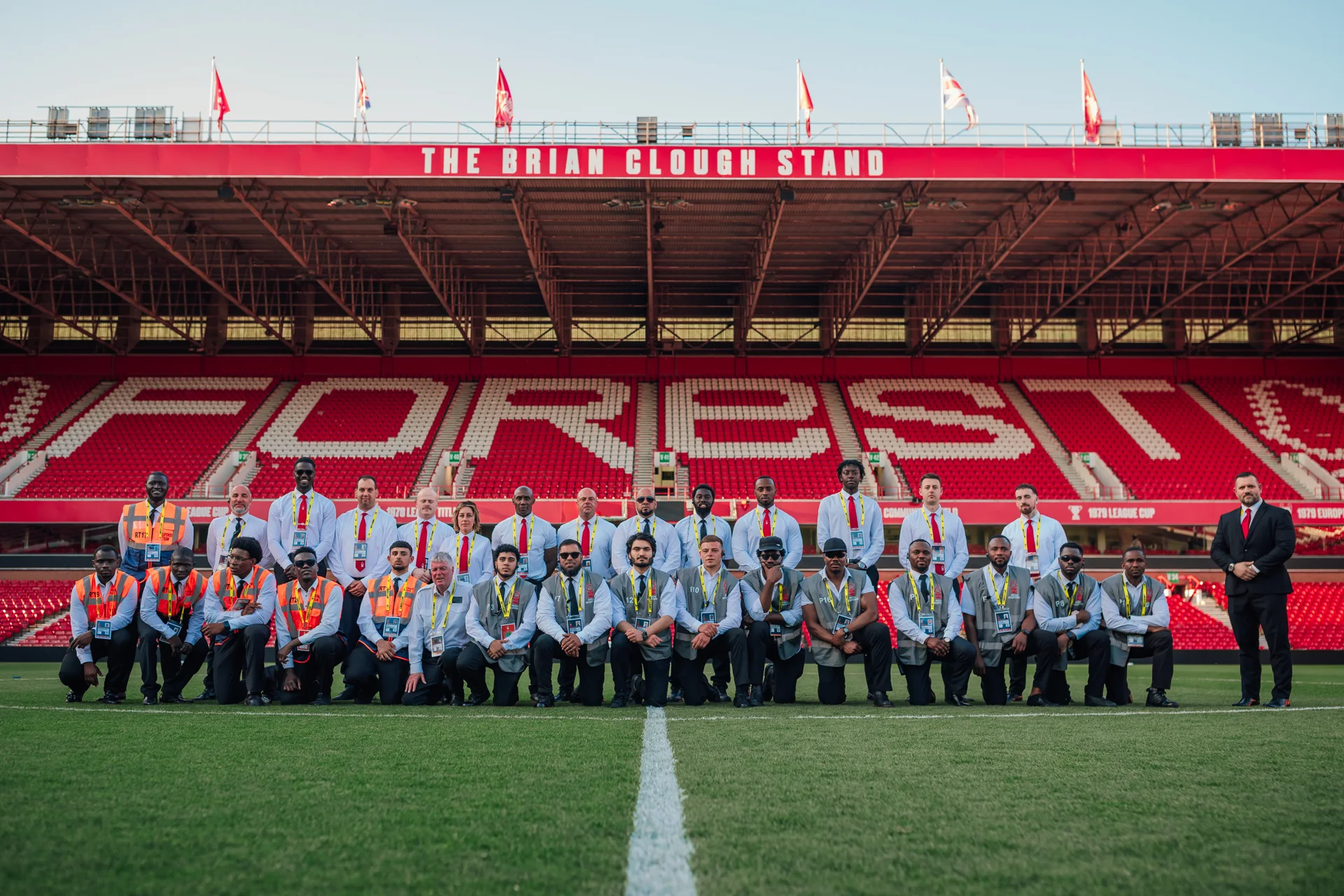
The service is intended for selected commercial, private and public-facing environments where reliability, conduct, presentation and managed delivery are important.
What duties can guarding personnel undertake?
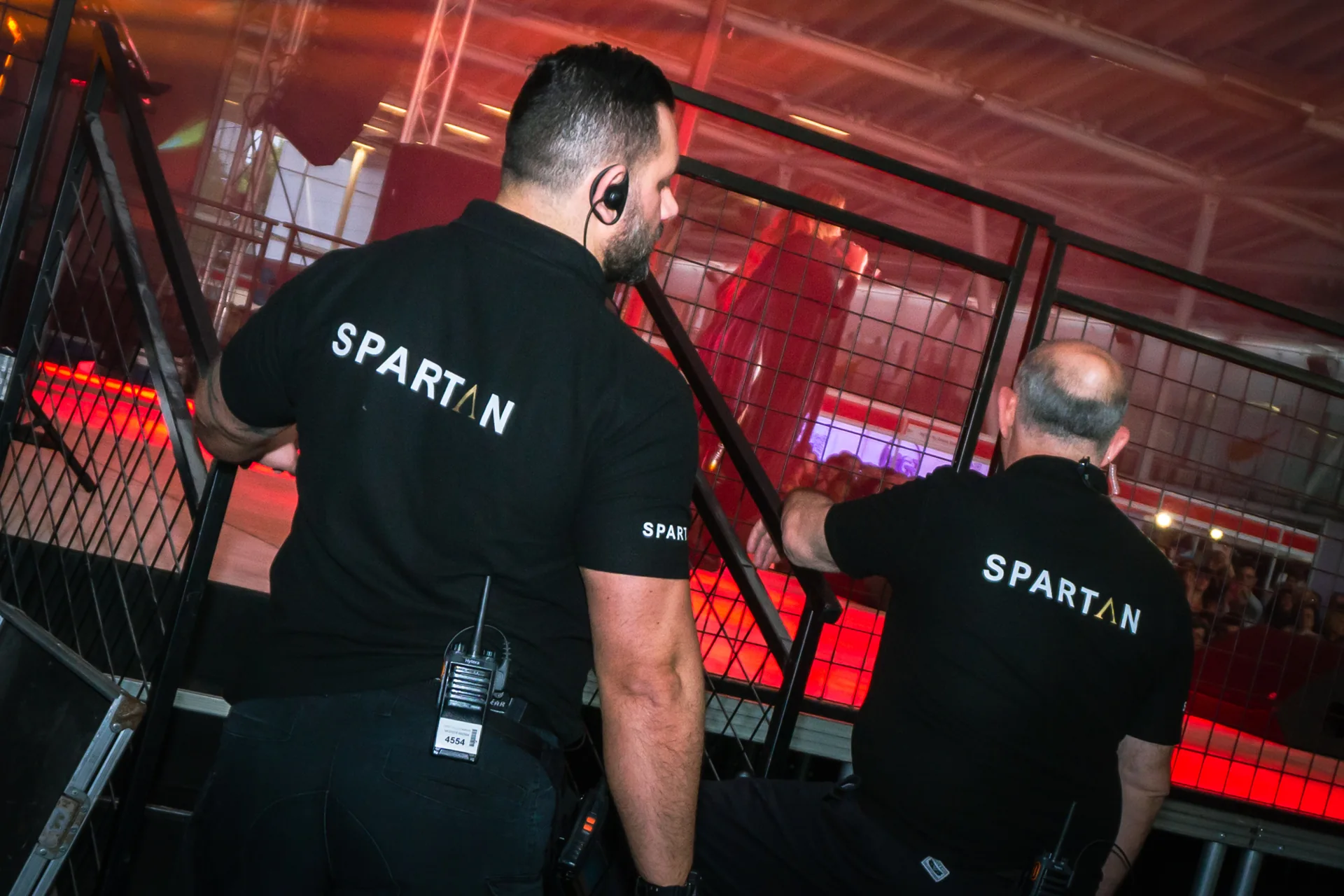
The agreed scope may include access control, a professional security presence, patrols, visitor and contractor procedures, incident response and written reporting.
Are guarding personnel necessarily from military backgrounds?
No. Personnel are selected for suitability, professionalism and the requirements of the post. Specialist experience or additional qualifications are supplied separately where the assignment genuinely requires them.
What determines the proposed staffing and price?
The review considers the site, operating hours, number of officers, shift pattern, responsibilities, supervision, reporting and presentation requirements before a written proposal is issued.
What should a manned guarding brief contain?
Describe the site, its operating hours and the reason additional personnel are needed. Explain whether the requirement concerns access, a visible presence, patrols, reception-related duties or another defined responsibility. Include the proposed dates and distinguish a temporary requirement from continuing coverage.
Identify the person authorised to explain the site and approve the arrangement. Manned guarding planning also benefits from knowing which procedures and providers are already in place. A clear initial brief helps establish the appropriate questions before a staffing model is proposed, rather than start with an assumed number of officers.
How are the duties of a guarding post defined?
The scope should set out what personnel are expected to do and where those duties apply. A position described simply as a security post may involve quite different responsibilities at different sites. Explain routine activity, visitor arrangements and the points where personnel need to communicate with site management.
Manned guarding duties should also have clear boundaries. Identify tasks that belong to reception staff, facilities personnel, contractors or another provider. Agreeing responsibilities before deployment makes the arrangement easier to supervise and review. Additional duties should be discussed through the authorised contact rather than assumed to fall within the original specification.
What matters when planning coverage hours and shifts?
Provide the hours during which the site needs coverage and explain how activity changes throughout the day or week. A site open to visitors during business hours may have different requirements outside those times. Temporary works, deliveries or special events can also affect the brief.
The manned guarding proposal should describe the staffing and shift assumptions relevant to the requirement. Do not compare officer numbers without considering the hours and responsibilities they cover. If coverage needs to change, raise the revised requirement so personnel availability, supervision and commercial terms can be reviewed before relying on the new arrangement.
How should presentation and front-of-house expectations be discussed?
Explain the site’s environment and how personnel will interact with employees, visitors and clients. A public-facing location may place particular importance on appearance, communication and familiarity with the agreed visitor procedures. Those expectations should be part of the brief and considered when personnel are selected.
Manned guarding should provide a professional presence appropriate to the role. If specific uniform or presentation requirements apply, raise them during the review. Clear expectations help the proposed service support the environment while maintaining defined security responsibilities. They should not be left to informal assumptions on the first day of an assignment.
What reporting arrangements should be agreed?
Decide what information the authorised site contact needs and how it should be communicated. Routine reporting, incident notification and questions requiring management decisions are different needs. The brief should explain existing procedures and any reporting format relevant to the proposed assignment.
Manned guarding reporting should be proportionate and useful to the people managing the site. Agree the responsible contacts and the scope of the officer’s role in recording or escalating matters. This helps avoid uncertainty about who needs to be informed, while giving management a clear basis for reviewing whether the agreed duties are being delivered.
Can manned guarding work alongside existing systems and providers?
Yes, the review can take account of established site procedures, existing systems and other providers. Explain what is already in place and who manages it. The proposed guarding role should be coordinated with those arrangements, with responsibilities and authorised access discussed before deployment.
Manned guarding does not automatically include technical maintenance or every task associated with a security system. Where specialist support is needed, identify the appropriate provider and the interfaces that need coordination. Clear scope allows personnel to work within the agreed responsibilities and helps site management understand what is included in the service.
What should be compared in manned guarding proposals?
Compare the duties, hours, staffing, supervision and reporting arrangements alongside the price. Confirm that each proposal is based on the same site brief and coverage requirements. A quotation for a defined temporary post may describe a different service from an ongoing managed arrangement.
Manned guarding costs reflect the actual specification. Presentation requirements, specialist qualifications and additional responsibilities may affect the proposal. Ask which assumptions are included and how changes would be handled. A clear written scope makes it easier to compare the practical service being supplied, rather than rely on an hourly figure without its context.
Are military backgrounds required for premium manned guarding?
No. As explained above, personnel are selected for suitability, licensing, relevant experience and the duties of the post. A military background is not automatically necessary for a professional guarding requirement. The brief should identify the actual skills and responsibilities needed in the environment.
Specialist experience or additional qualifications can be discussed where there is a genuine operational reason. Manned guarding should be planned around the site rather than a generic personnel label. Availability and any effect on the quotation are reviewed before the proposed staffing arrangement is confirmed, so expectations remain clear from the outset.
When should a manned guarding arrangement be reviewed?
Review the scope when operating hours, occupancy, visitor activity, works or other site arrangements change. A post established for one purpose may need reconsideration if the environment develops. Tell the authorised contact about relevant changes so the proposed responsibilities and coverage can be assessed again.
Ongoing manned guarding also benefits from discussion of whether reporting and supervision remain useful. Review should focus on the current requirement and agreed service standard. Any revised duties, staffing or commercial terms need to be confirmed through the appropriate process, with the site and provider working from the same specification.
How can I verify a security officer’s licence?
You can check a security licence through the SIA register. Use the licence number to review the registered role and current status. This is separate from verifying a company’s quality-management certification.