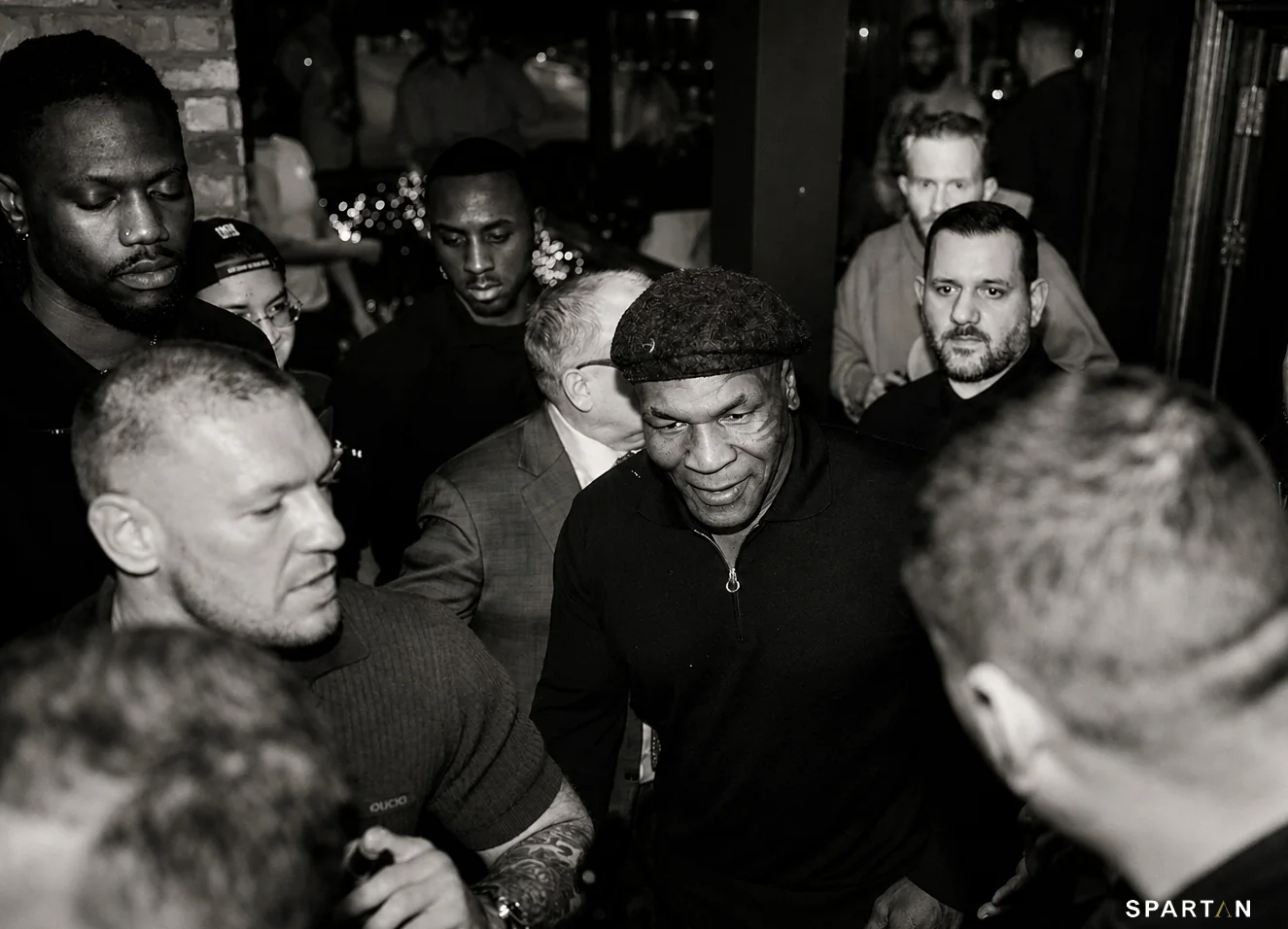
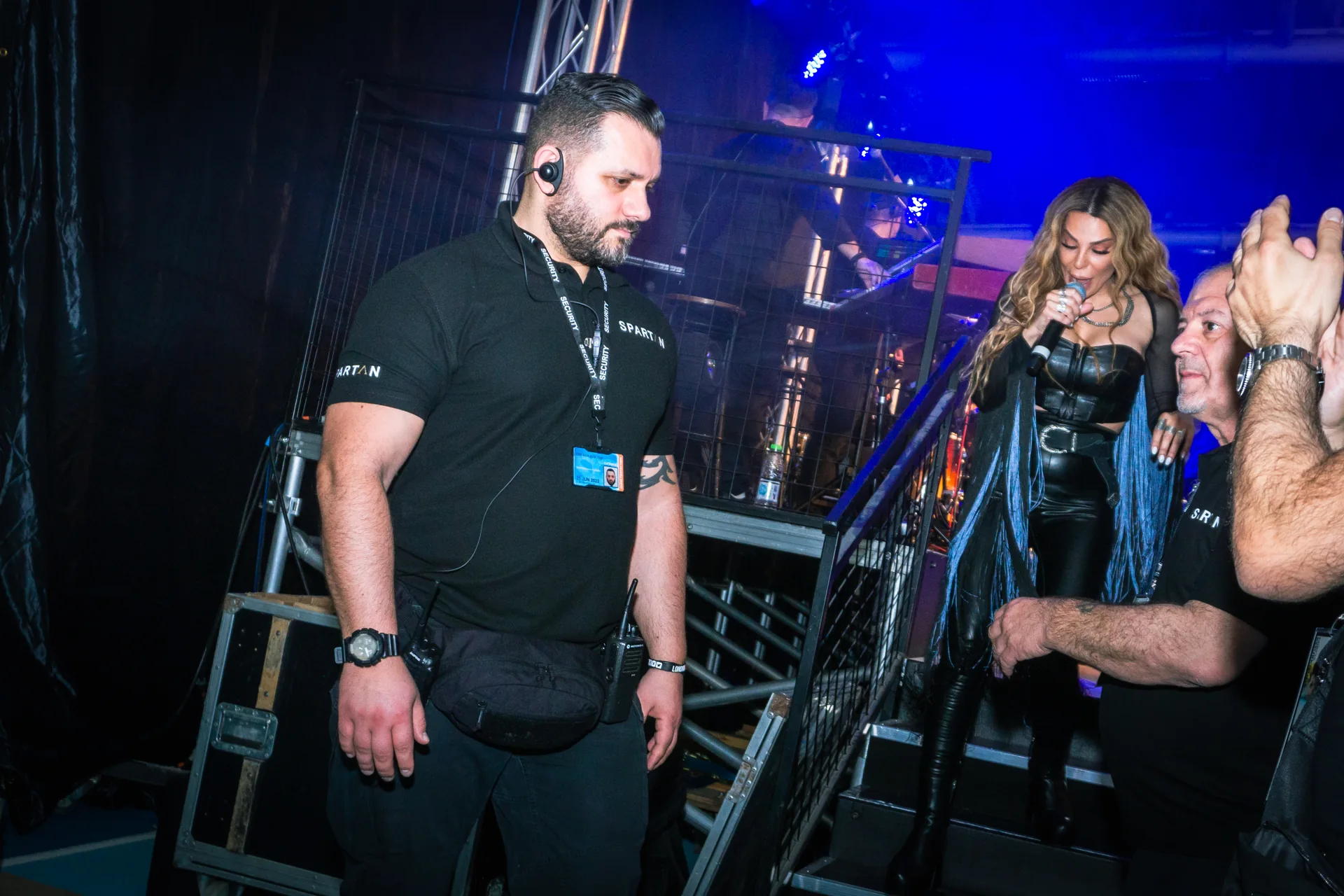
How is protection managed around fans, photographers and the media?
The team assesses likely attention, access points, arrival and departure routes and the client’s preferences. Officers aim to preserve normal interaction while preventing crowd pressure or unwanted access from becoming a security problem.
Can protection include family members and private residences?
Yes. Coverage can extend beyond public appearances to family movements, residences, hotels and private time where the assessment supports it.
Will Spartan coordinate with agents, managers and venues?
Yes. Clear liaison with management teams, assistants, production personnel, drivers and venue security is often central to a discreet and workable plan.
Can the service cover one appearance or an ongoing schedule?
Both. Support can be arranged for a single movement or engagement, a series of appearances, touring activity, international travel or an ongoing requirement.
How should an agent prepare a celebrity protection brief?
Begin with the engagement, dates, approximate locations and the people who need support. Explain whether the schedule involves public appearances, filming, travel, private time or several of these. Outline any known concerns without sending sensitive personal material through an unsuitable channel. A broad itinerary is sufficient to begin the conversation.
Identify the authorised decision-maker and the people who will coordinate the working schedule. Agents, assistants and family representatives may hold different information, so a clear contact structure matters. Confirmed timings, venue details and relevant updates can then be shared through an agreed route as the plan develops.
How can celebrity protection accommodate different levels of public attention?
A client may welcome normal interaction at one engagement and need greater privacy at another. Discuss the purpose of each appearance, the likely audience and the client’s preferences. Celebrity protection should account for those differences when considering personnel, movement and coordination with organisers.
A familiar venue may still operate differently during a busy event. Publicity, timings and access arrangements can change the demands on the team. The brief should distinguish confirmed arrangements from assumptions, helping everyone understand which matters need to be discussed with the venue or management before the engagement.
What information helps when several people manage the schedule?
Provide one current version of the itinerary and identify who can authorise changes. Where a client works with agents, publicists, assistants and production staff, it is helpful to agree who communicates updates to the security contact. This reduces the chance of different teams working from different times or locations.
Celebrity protection also needs a clear understanding of responsibilities. Explain which arrangements already belong to a driver, venue, household or other provider. The team can then discuss the points where coordination is needed. Only information relevant to the assignment should be circulated to the people who need it.
Can celebrity protection fit private time as well as professional work?
A public-facing client’s day rarely ends when an appearance finishes. Dinners, shopping, hotel movements and family commitments may form part of the same itinerary. If support is required for these periods, include them in the brief so that the proposed coverage reflects the full requirement.
Private time may call for a different working style from a public engagement. Explain the level of visibility that feels appropriate and any household or personal preferences relevant to the assignment. The practical arrangement is discussed during assessment, with scope and availability confirmed before the booking is finalised.
What should a manager compare in celebrity protection proposals?
Look at the proposed coverage, personnel, hours and responsibilities alongside the price. Confirm whether the proposal covers one appearance, the movements around it or a wider schedule. Establish whether a vehicle, driver, advance work or additional personnel form part of the quotation.
Different assignments need different levels of preparation and coordination. A lower headline price may describe a narrower service. Clear assumptions help a manager compare proposals fairly and brief the client accurately. Ask about changes to hours or locations and how additional requirements would be reviewed during an engagement.
How should publicity and social-media plans be discussed?
Public announcements may affect when and where a client attracts attention. Tell the authorised security contact about relevant event publicity and planned public appearances, especially if the schedule is likely to become widely known. Distinguish official announcements from unconfirmed reporting or online speculation.
Celebrity protection planning benefits from an accurate account of the circumstances. Avoid assuming that a social-media concern has been verified simply because it has been repeated. Relevant information can be reviewed alongside the venue, itinerary and existing arrangements, with sensitive details handled through the appropriate communication channel.
What changes should be raised during an assignment?
Tell the agreed contact about changes to venues, timing, transport, the people attending or the expected level of public attention. A revised finish time or an additional engagement may affect staffing and the proposed scope. Early communication gives the team more opportunity to review what is needed.
Celebrity protection must work around real schedules, but extra coverage should not be assumed to be included automatically. Discuss changes so that operational implications and any revised commercial terms are clear. This is particularly useful when an appearance develops into a longer programme involving several locations or late changes.
How can recurring celebrity protection remain appropriate?
For repeated appearances or a continuing schedule, explain the expected frequency, usual locations and management structure. Include any existing providers whose work needs to be coordinated. This helps distinguish a series of independent engagements from a broader requirement needing continuity across travel, work and private life.
A previous plan should be reviewed when circumstances change. Public profile, personal preferences, venues and professional commitments can all evolve. Celebrity protection should therefore remain responsive to the current brief. Dates, personnel, coverage and commercial arrangements are confirmed for the requirement being discussed, rather than assumed from an earlier booking.
Can an assistant make the initial enquiry?
Yes. An authorised assistant or representative can provide the initial brief. Include the service dates, approximate locations and a reliable contact for the person managing the requirement. Explain which decisions you can confirm and which need the client’s approval.
There is no need to include every confidential detail in the first message. The initial discussion can establish the scope and the appropriate way to share further information about the celebrity protection requirement.
How can I verify a security officer’s licence?
You can check a security licence through the SIA register. Use the licence number to review the registered role and current status. This is separate from verifying a company’s quality-management certification.