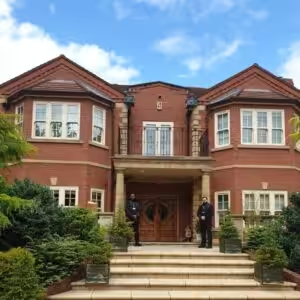
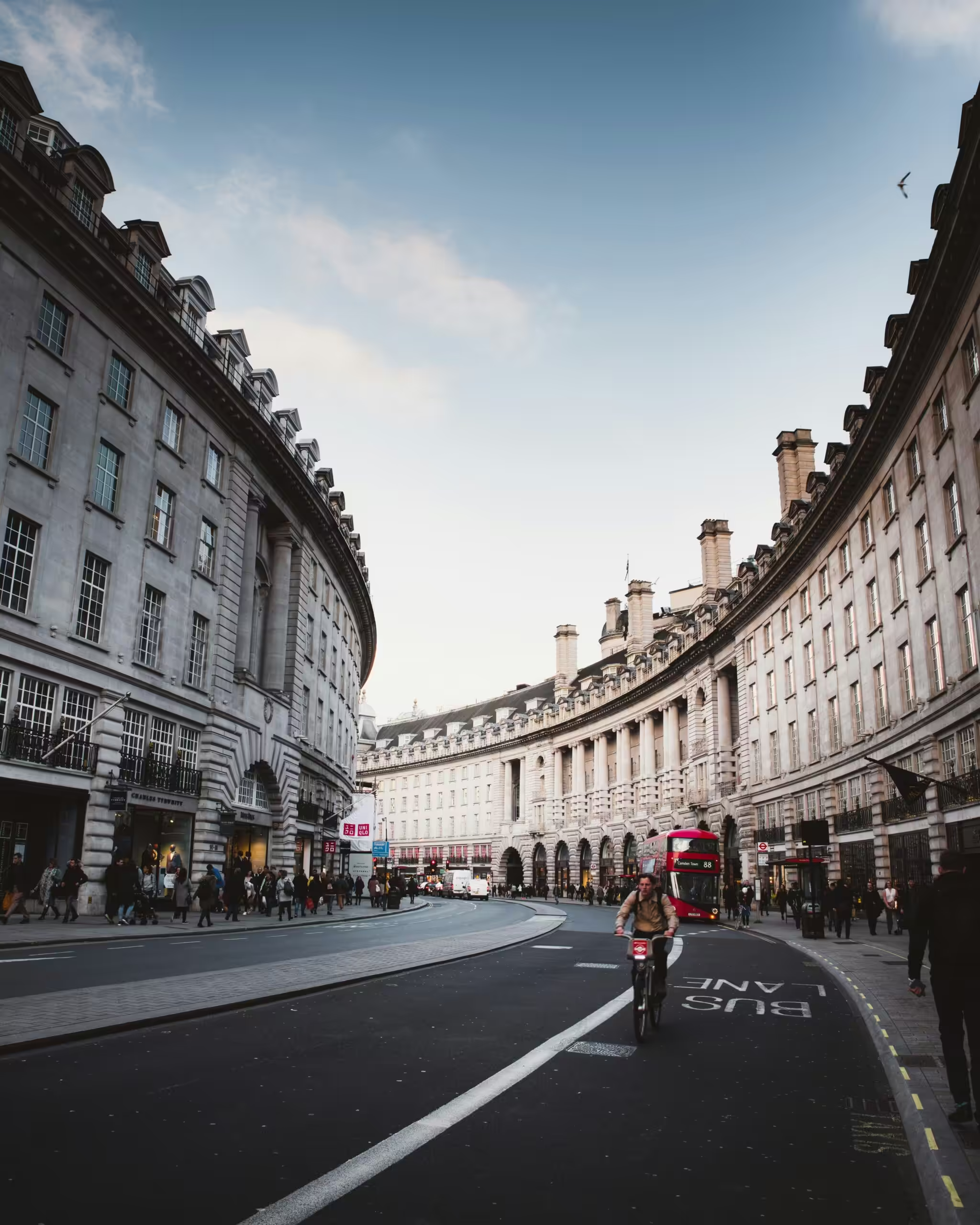
Embassy protection in London requires a clear understanding of the premises, the people using them and the responsibilities of each organisation involved. This guide outlines the protective role and seven priorities for preparing a diplomatic security brief.
On this page
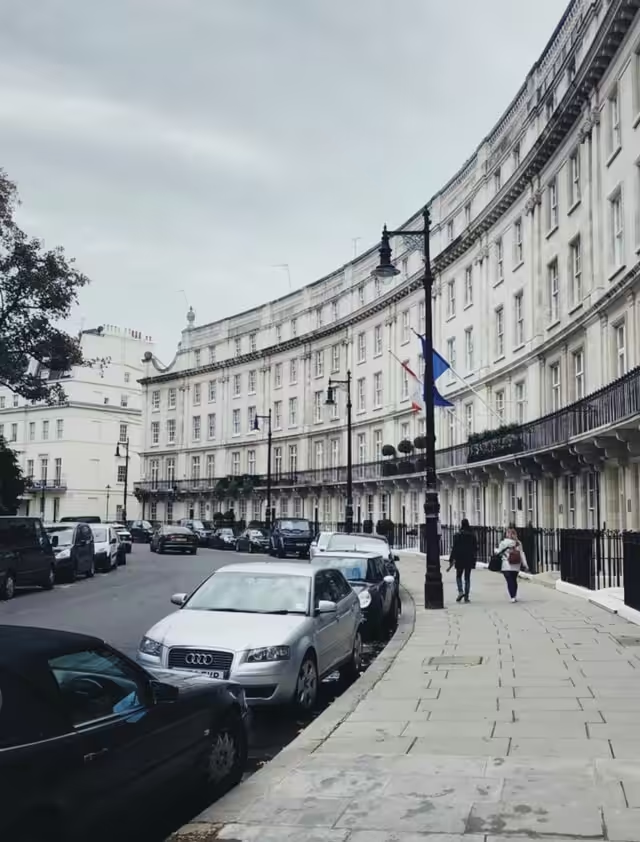
Diplomatic premises represent some of the most sensitive and high-risk locations in the United Kingdom. Embassies, consulates and ambassadorial residences require a security presence that reflects their international importance, political sensitivity and public visibility. Effective embassy protection is not simply about guarding a building — it is about safeguarding people, information, assets and national interests.
At Spartan Elite Security, we understand the complexities involved in protecting diplomatic missions across London, including high-profile districts such as Mayfair, Belgravia and Kensington.
The Unique Security Challenges Facing Embassies
Embassies operate in a distinctive environment. They carry out official diplomatic business, welcome visitors and may host dignitaries, government officials and senior diplomats. These factors create a combination of operational and reputational risk.
Common threats include:
- Politically motivated protests and demonstrations
- Targeted criminal activity
- Terror-related risks
- Surveillance and hostile reconnaissance
- Unauthorised access attempts
- Cyber-physical security breaches
Unlike standard commercial properties, embassies require layered protection strategies that integrate visible deterrence with discreet operational readiness.
Why Embassy Protection Requires Specialist Expertise
Diplomatic security demands personnel who understand protocol, discretion and international sensitivities. Security officers assigned to embassies must demonstrate:
- Exceptional professionalism and presentation
- Strong conflict management skills
- Cultural awareness and diplomatic etiquette
- Knowledge of UK security legislation
- Rapid response capability
- Detailed incident reporting standards
Personnel must hold the appropriate licence for licensable duties. The agreed role, applicable requirements and arrangements with the diplomatic mission must be understood before deployment.
Core Elements of Embassy Protection Services
A comprehensive embassy protection strategy combines manpower, procedures and technology.
Access Control and Visitor Management
Strict access control prevents unauthorised entry. Officers manage:
- Visitor identity verification
- Staff and contractor screening
- Delivery inspections
- Vehicle access checks
- Credential monitoring
A firm but courteous approach ensures security without disrupting diplomatic operations.
Static Guarding and Perimeter Security
Uniformed officers provide a visible deterrent at:
- Main entrances
- Secondary access points
- Perimeter boundaries
- Parking areas
Their presence discourages criminal behaviour and reassures staff and visitors.
Protest and Demonstration Management
Embassies frequently attract demonstrations. Professional security teams:
- Monitor crowd behaviour
- Liaise with local authorities
- Protect entrances
- Maintain safe access routes
- Prevent escalation
Preparation and communication remain key during politically sensitive events.
Close Protection for Diplomats
In certain cases, close protection officers provide personal security for ambassadors and senior officials during travel, public appearances and private events.
The Importance of SIA Licensed Security Personnel
Embassy protection must always comply with UK law. The Security Industry Authority (SIA) regulates private security professionals across the country.
SIA licensed officers bring:
- Verified training and background checks
- Legal authority to carry out regulated security duties
- Knowledge of conflict resolution and public safety
- Accountability and compliance
Employing unlicensed personnel exposes diplomatic premises to serious legal and reputational risk. Review the relevant licences, the proposed duties and the provider’s arrangements before making an appointment.
Risk Assessments and Security Planning
Every embassy presents different risk factors based on:
- Political climate
- Public visibility
- Location
- Visitor traffic
- Historical threats
A detailed risk assessment forms the foundation of any effective security plan. Professional providers conduct:
- Site vulnerability analysis
- Threat assessments
- Evacuation planning
- Incident response protocol design
- Coordination planning with Metropolitan Police
Regular reviews keep security measures aligned with evolving threats.
Embassy Protection in Prime London Locations
Many diplomatic premises sit within high-profile districts such as Mayfair and Belgravia. These areas combine luxury retail, corporate headquarters and diplomatic buildings within close proximity.
High foot traffic, tourism and media attention increase exposure. Security teams must balance visibility with discretion, ensuring protection without creating unnecessary alarm.
Why Choose Spartan Elite Security for Embassy Protection?
Spartan Elite Security delivers bespoke diplomatic protection services tailored to each client’s needs. Our approach focuses on prevention, professionalism and precision.
We provide:
- Highly trained SIA licensed security officers
- Experienced supervisors and rapid response teams
- 24/7 coverage
- Clear reporting and documentation
- Close coordination with law enforcement
- Confidential and discreet operations
Our personnel understand the importance of representing diplomatic clients with the highest standards of conduct.
Conclusion
Embassy protection requires more than a uniformed presence. It demands expertise, vigilance, discretion and absolute professionalism. Diplomatic premises must remain secure while continuing to serve the public and represent their nations with dignity.
Spartan Elite Security provides dependable, SIA licensed embassy protection services throughout London. We work proactively to deter threats, respond swiftly to incidents and maintain a safe environment for diplomats, staff and visitors alike.
For tailored embassy protection solutions, contact Spartan Elite Security today and safeguard your diplomatic premises with confidence.
7 priorities when arranging embassy protection
Diplomatic premises can combine offices, public-facing services, private meetings and residential accommodation. The embassy protection brief should identify the areas in scope and how the private security role connects with the mission’s own arrangements.
1. Establish the authorised contact structure
Name the people responsible for commissioning the service, approving changes and receiving reports. These may be different roles within the mission. Embassy protection should operate through an agreed contact structure so that sensitive decisions and routine instructions reach the appropriate person.
Make the boundary of responsibility clear where private officers work alongside an existing team. The purpose is to support the mission’s arrangements with defined duties, rather than assume authority over functions managed by another organisation.
2. Describe normal use of the premises
Explain the broad pattern of staff activity, public appointments, contractors, deliveries and events. Different functions may create different requirements at different times. A realistic description of routine use helps determine what embassy protection needs to support.
The initial enquiry can remain limited to the information necessary for review. Detailed private arrangements should follow through the appropriate channel. Avoid putting sensitive operational information into a general website form simply because the service requires careful planning later.
3. Define the visitor-management role
Agree who authorises appointments and how officers refer an unexpected arrival for a decision. A courteous, consistent process matters where visitors may be unfamiliar with the premises or require help understanding where to go.
For embassy protection, professional presentation and communication sit alongside security awareness. The brief should explain the expected role without making officers responsible for decisions that belong to consular, administrative or diplomatic staff.
4. Separate personal and premises protection
A diplomat’s movement outside the building and the security of the premises are connected but different requirements. If both are needed, identify them separately so that staffing and handovers can be considered.
An officer accompanying a person elsewhere cannot also remain responsible for a fixed post. Embassy protection planning should identify these transitions and clarify who coordinates with transport, venue contacts or another protection team. The appropriate arrangement depends on the programme and the agreed scope.
5. Plan for changes in activity
An event, a revised appointment programme or a change in public interest may affect the operating environment. Agree how such changes are communicated and who decides whether the service scope needs review.
Embassy protection should be assessed against current circumstances. A routine staffing arrangement is not automatically suitable for every special event, and an additional task should not be treated as included without considering its effect on existing responsibilities.
6. Agree reporting and confidentiality
Set out the purpose of routine reports, the authorised recipients and the route for matters requiring prompt attention. Clear factual reporting helps the client understand what occurred and what remains outstanding.
Diplomatic work also requires careful treatment of information. Embassy protection arrangements should make it clear which details may be shared and through which channels. Public marketing material is not the place for client schedules, private movements or operational details.
7. Review the written scope before confirmation
Check the coverage periods, personnel profile, duties, supervision, reporting and proposed costs. Confirm any specialist requirements rather than assuming that every officer has the same background or additional qualifications.
Embassy protection is arranged around the actual brief. An enquiry begins that review; it does not itself confirm personnel or deployment. Where procurement requires supporting documents, identify the evidence needed so the team can consider the request through the appropriate process.
Questions about embassy protection arrangements
How can a mission check an individual security licence?
The SIA public register provides the route to checking a licence and its current status. Relevant experience, presentation, communication and additional capabilities should also be reviewed for the proposed role. Company quality-management certification is a separate check; Spartan provides an independent verification route for that purpose.
Can embassy protection include official visits or private events?
Those requirements can be assessed as part of the brief. Explain the event or movement, the approximate timing and the responsibilities already held by the mission, venue or other teams. The proposal should make clear which additional services are required and how they connect with the premises arrangements.
What should an initial enquiry contain?
Start with the general location, the nature of the premises, expected dates and coverage periods, and an authorised coordinating contact. Describe the service required at a high level. The Spartan team can then clarify what further information is needed to assess embassy protection and how sensitive details should be shared.